Wie beginnt man bei null und wächst in hundert Jahren zur Sammlung von internationaler Bedeutung? Finden Sie es heraus: Bei der großen Jubiläumsschau mit über 100 Werken aus unserer Sammlung.…
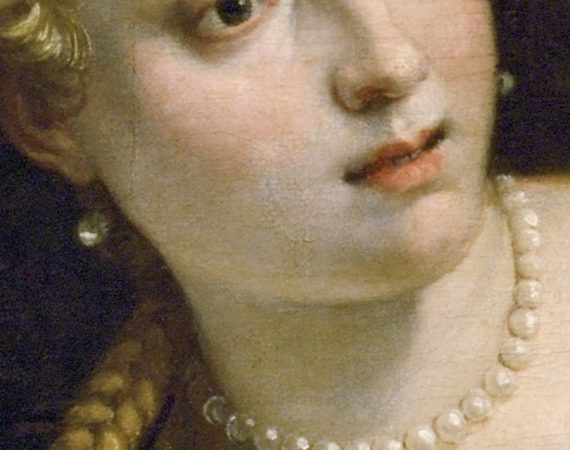
In seinem 10. Jubiläumsjahr präsentiert das DomQuartier Salzburg in der Residenzgalerie den ersten Gastauftritt des Kunsthistorischen Museums in Salzburg. Die umfassende Schau erzählt unter dem Titel „Die Farben der Serenissima.…
Die Residenzgalerie ist keine kommerzielle Galerie, sondern ein Kunstmuseum.
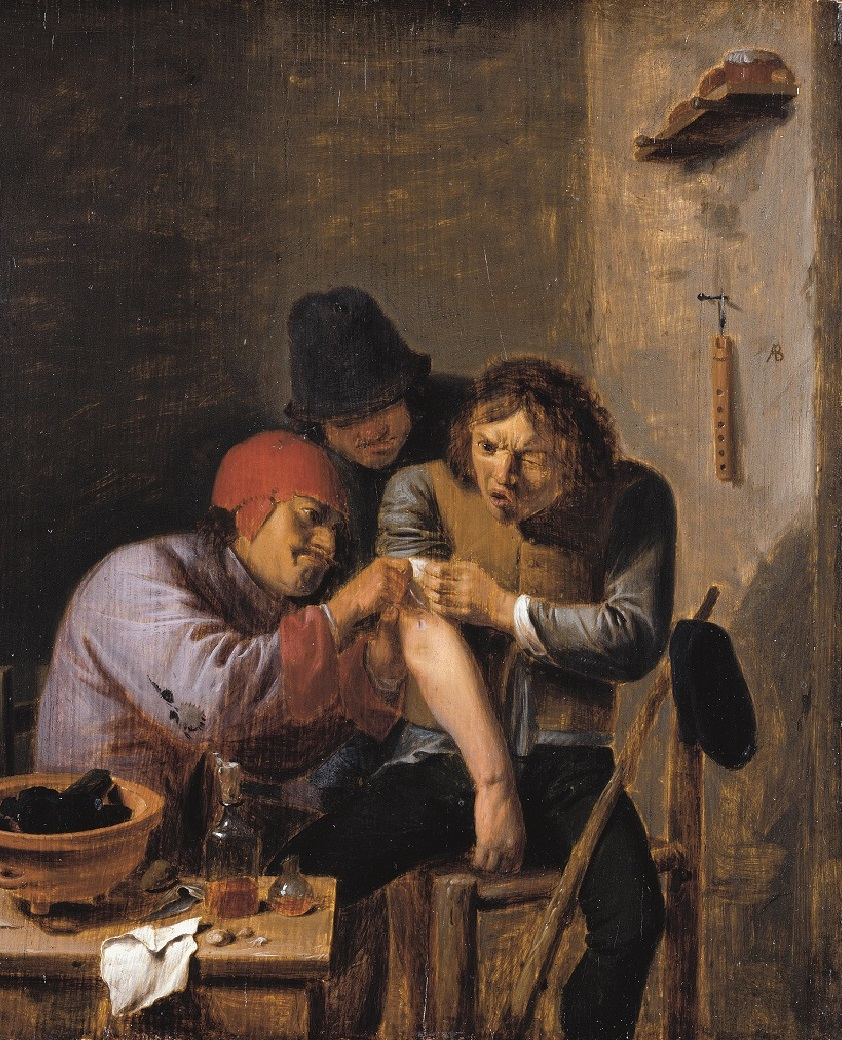
Niederländische Malerei des 17. Jahrhunderts (Rembrandt, Rubens, Brueghel …), italienische, französische und österreichische Malerei des 17. und 18. Jahrhunderts sowie österreichische Meisterwerke des 19. Jahrhunderts (Waldmüller, Amerling, Makart, Ender …) sind die Schwerpunkte der Residenzgalerie. Zur ständigen Schausammlung werden regelmäßig Sonderausstellungen angeboten.
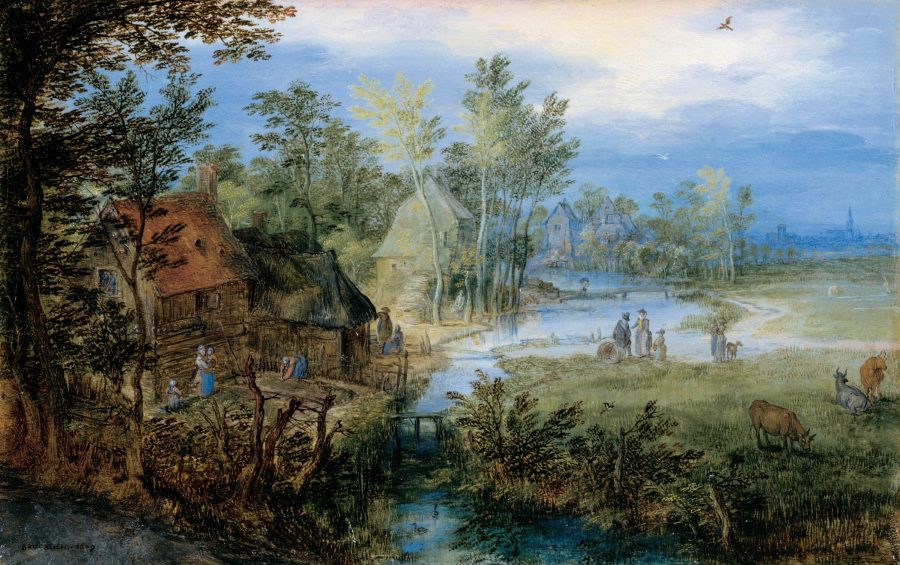
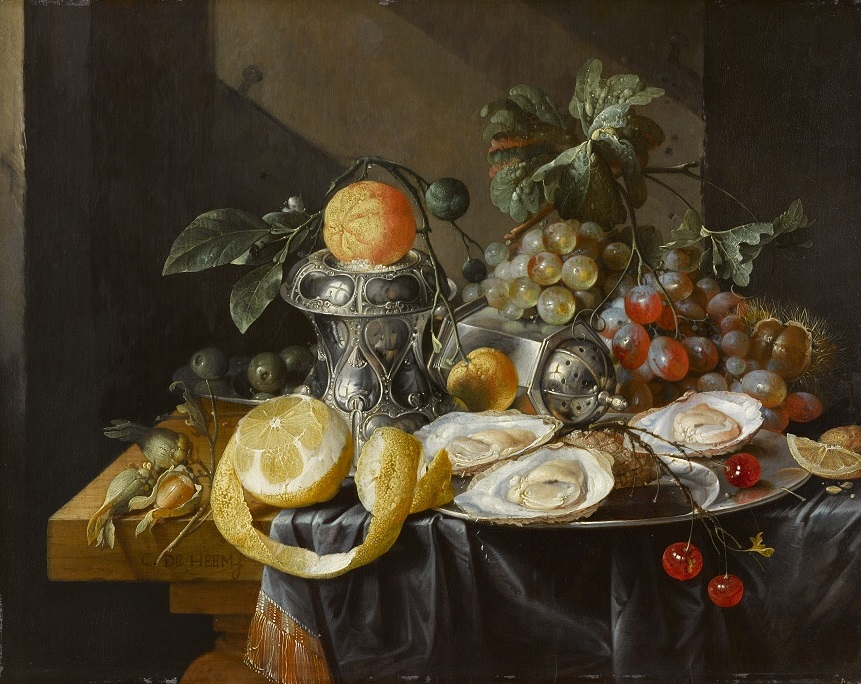
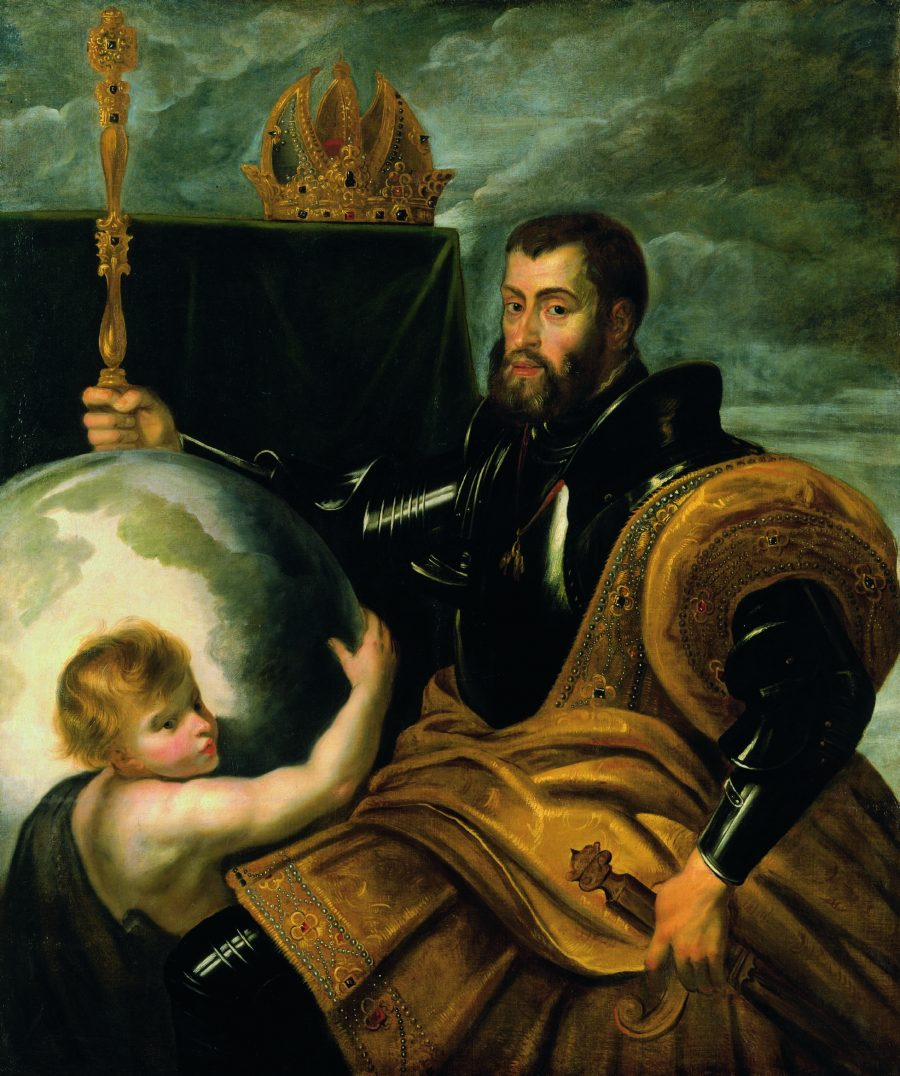
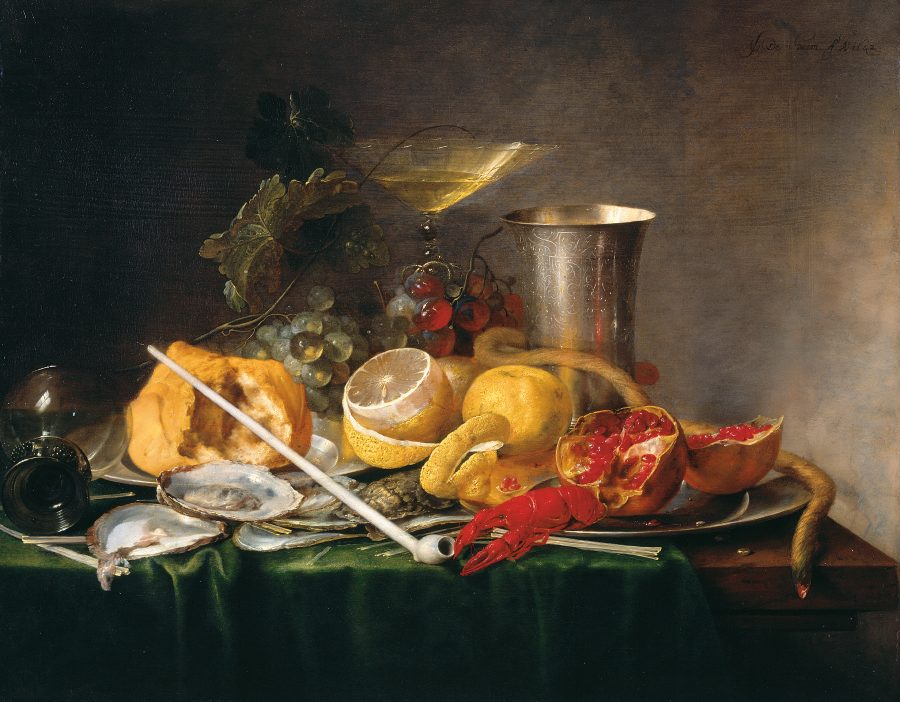
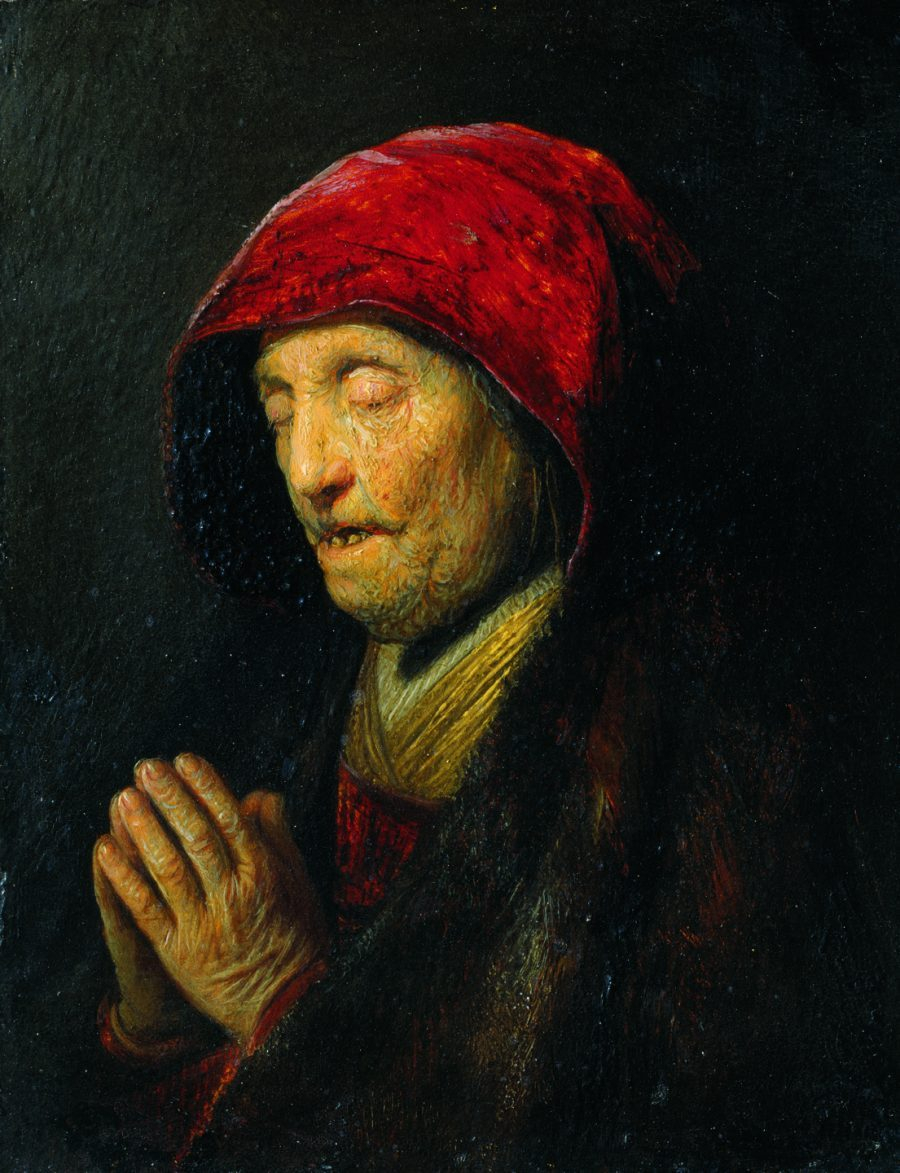
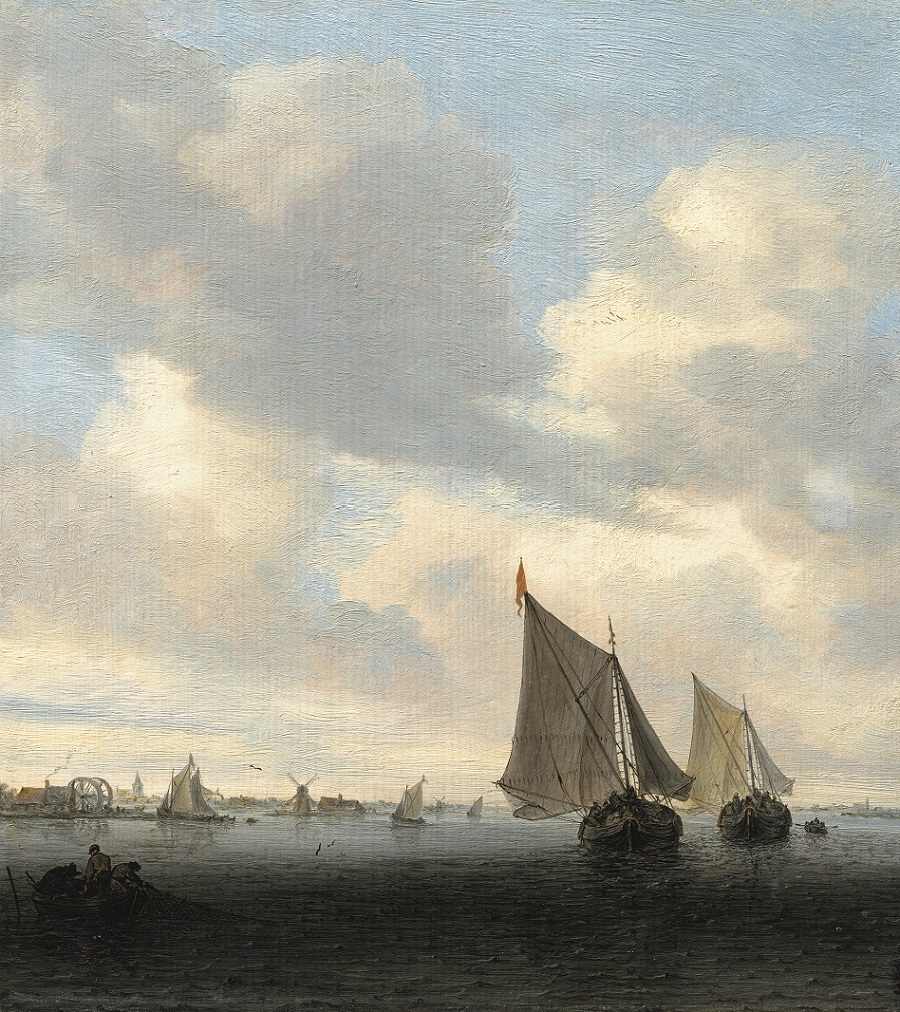
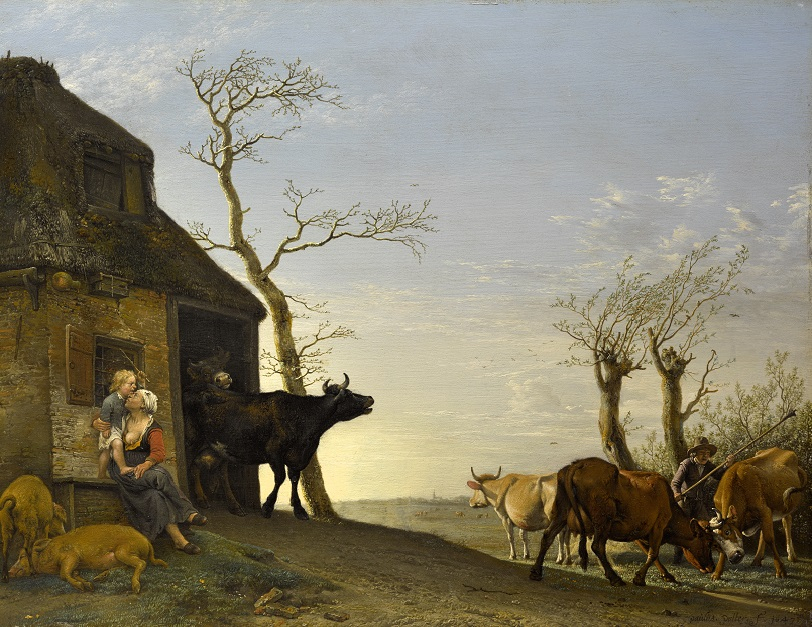
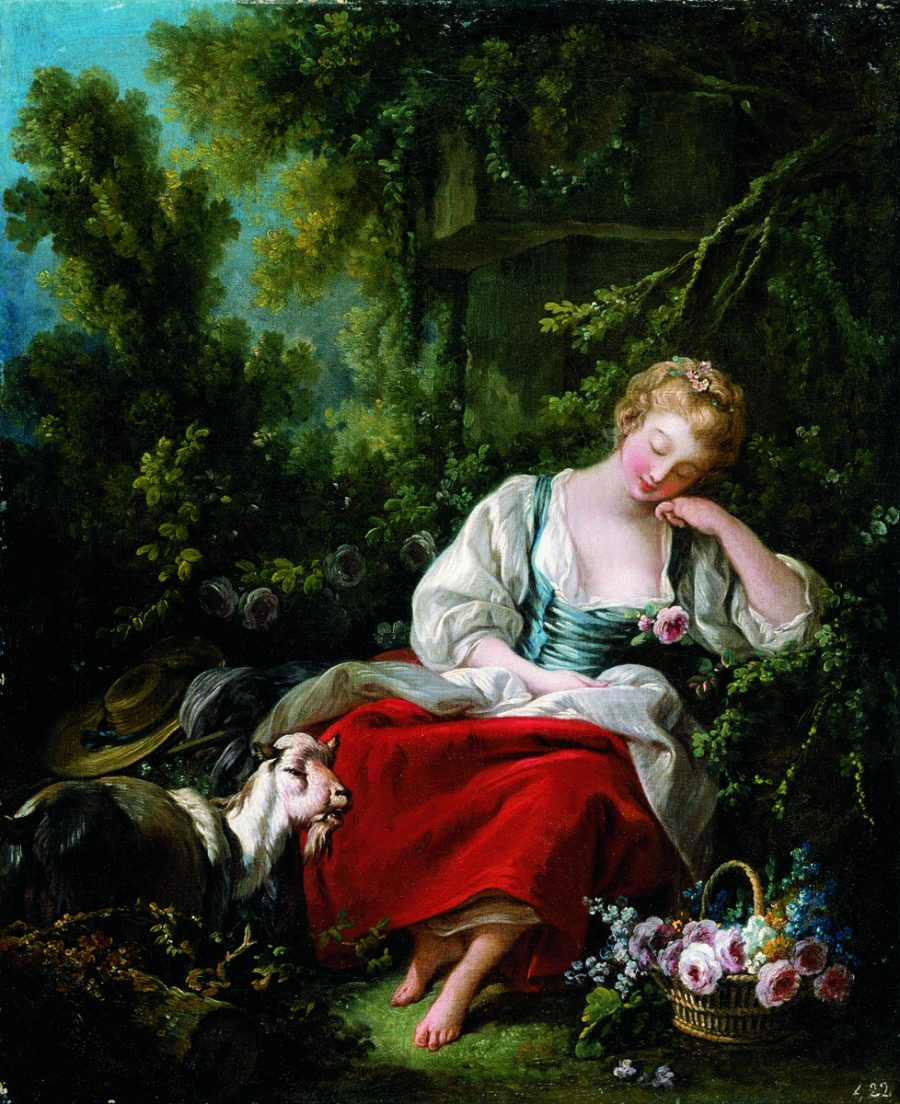
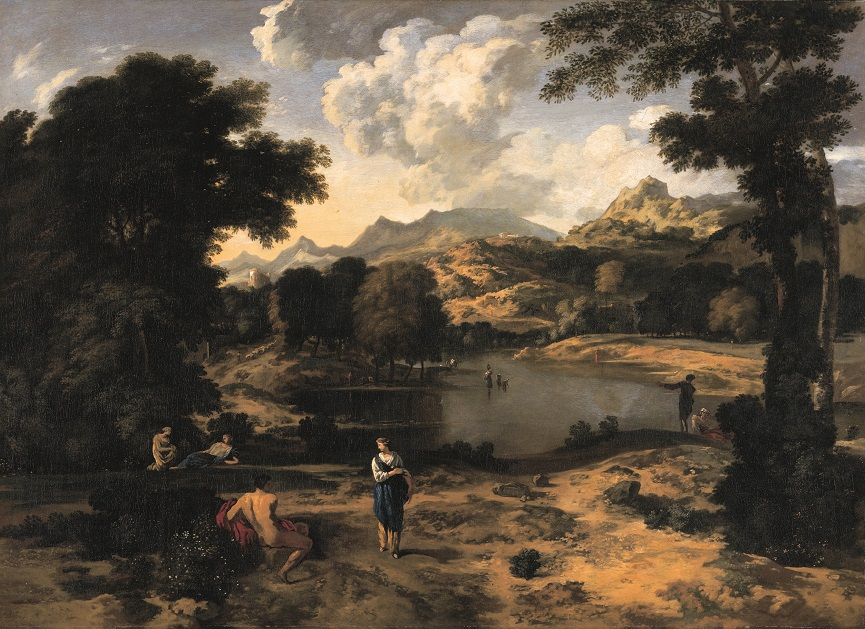
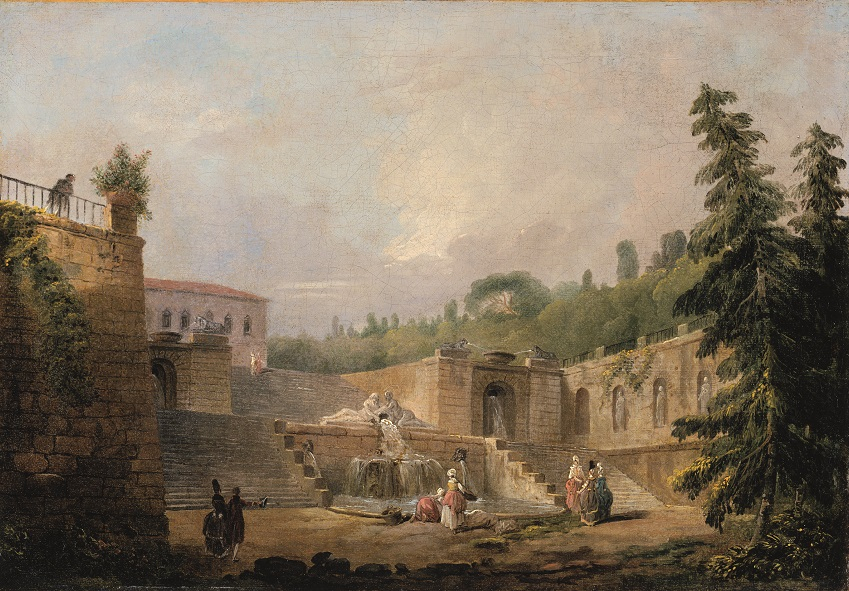
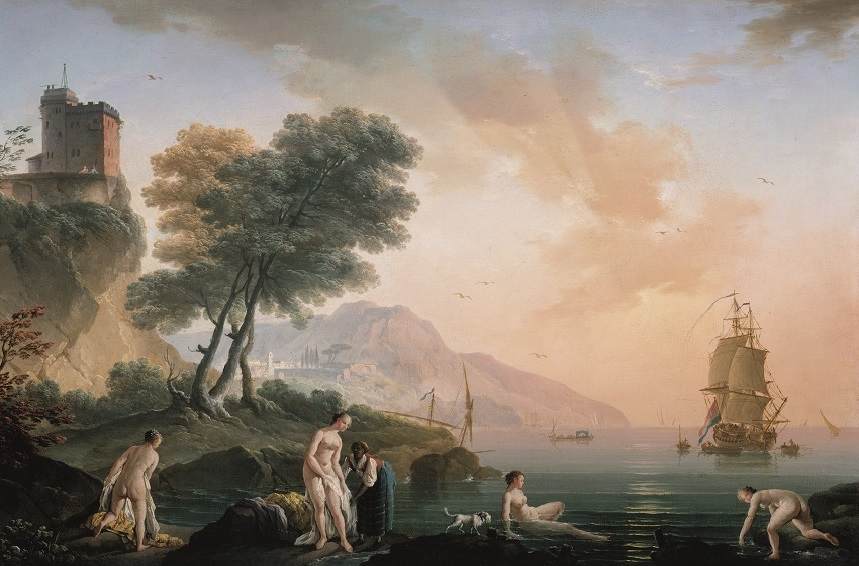
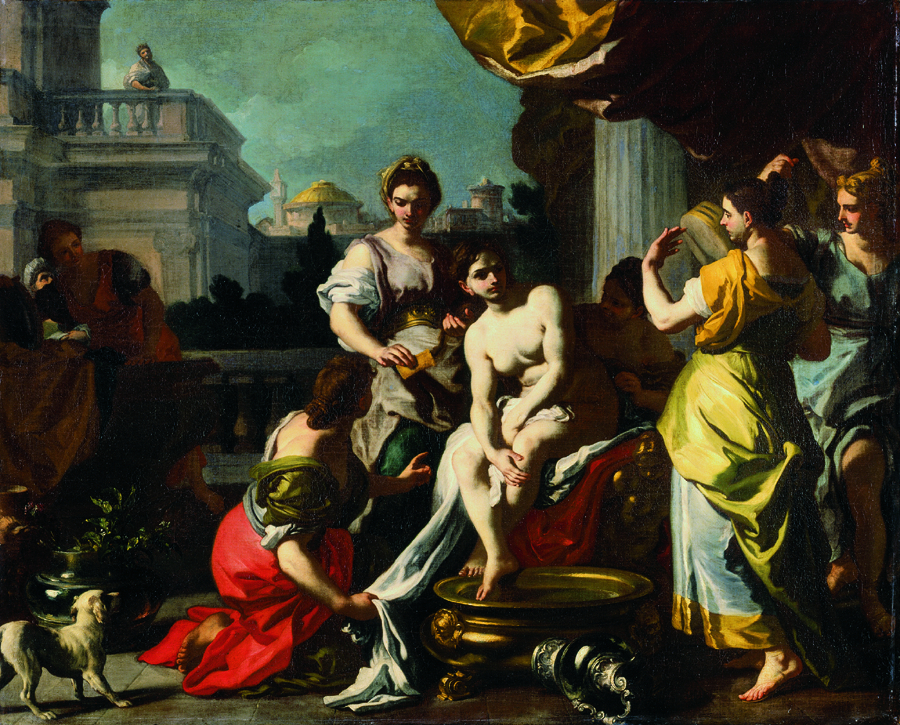
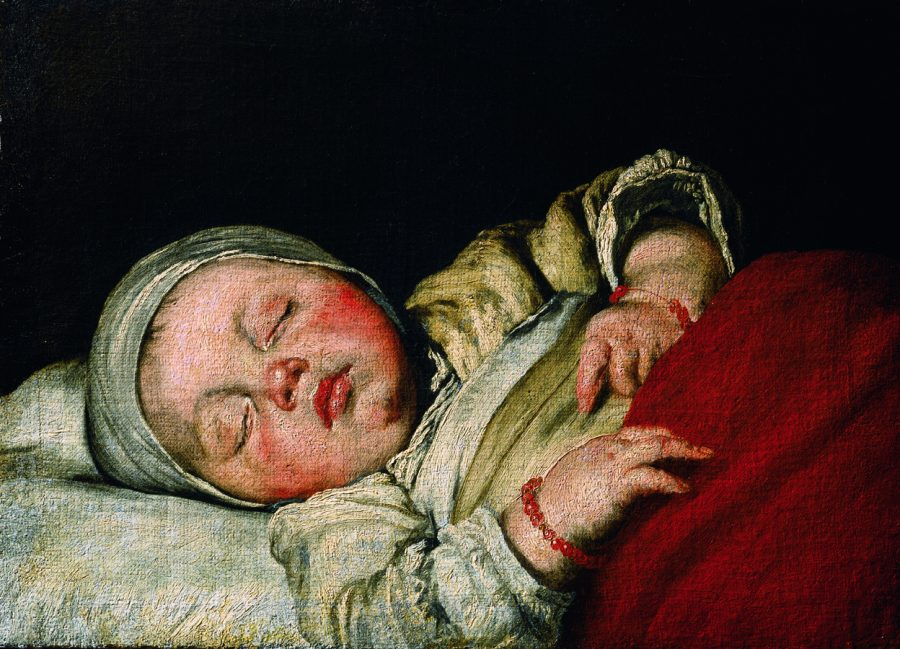
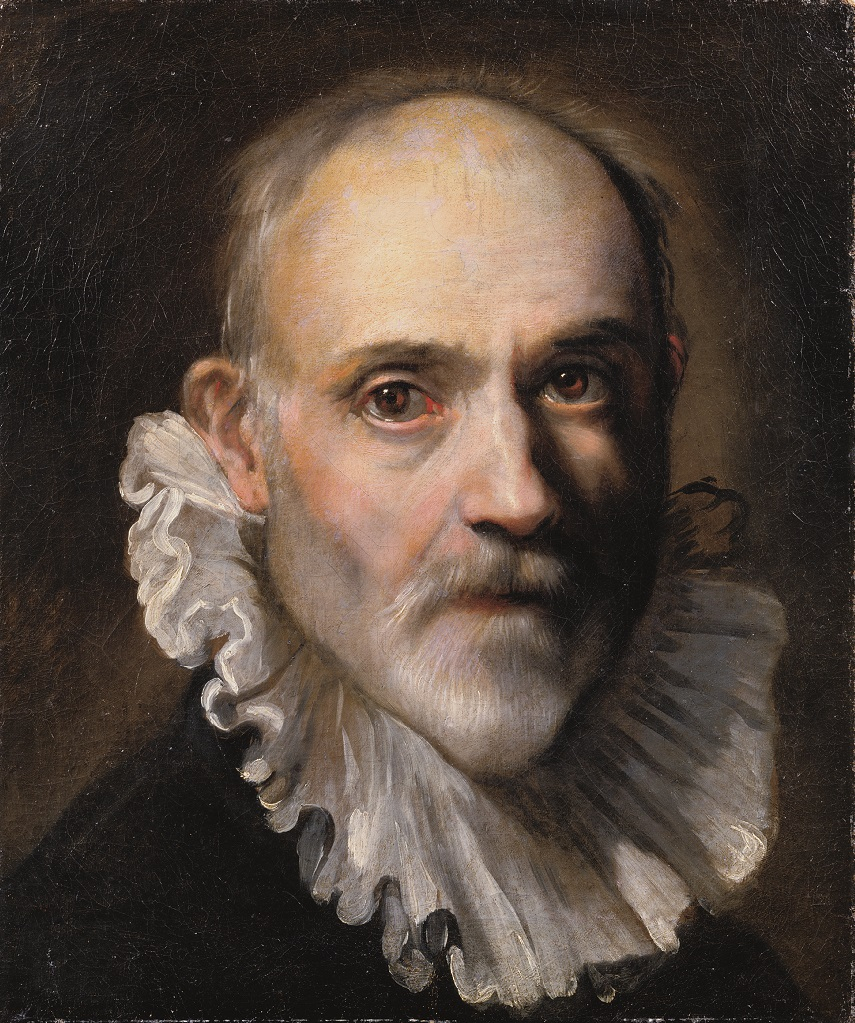
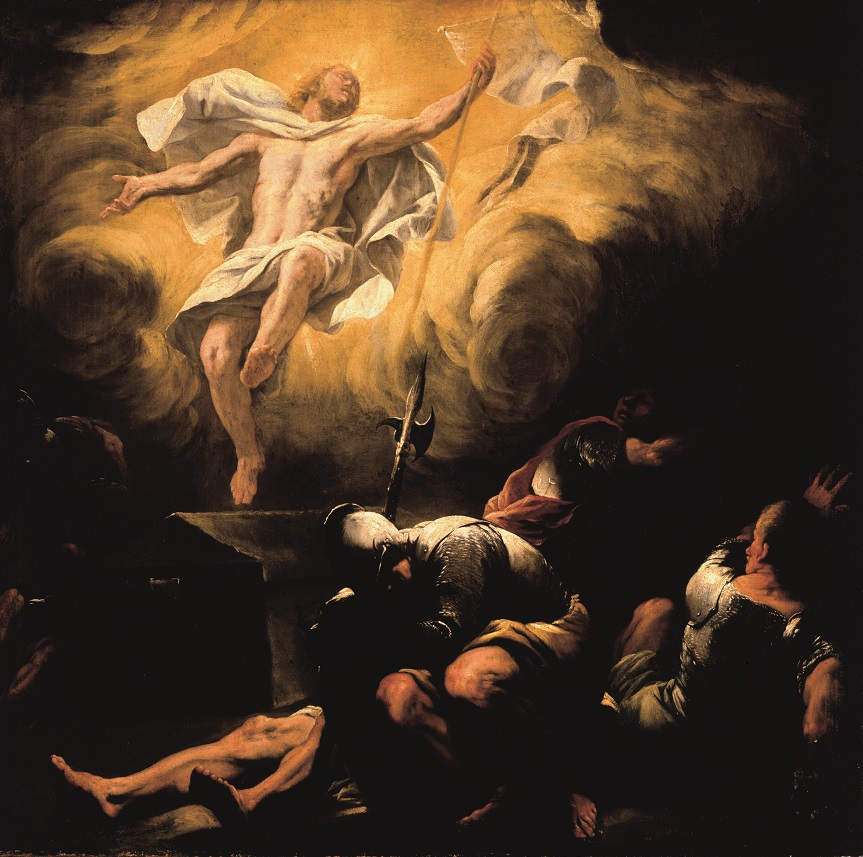
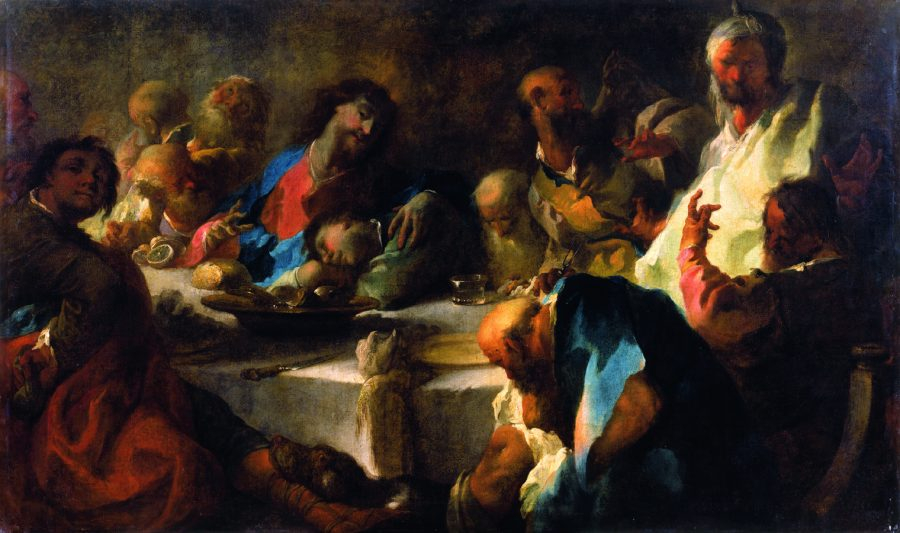
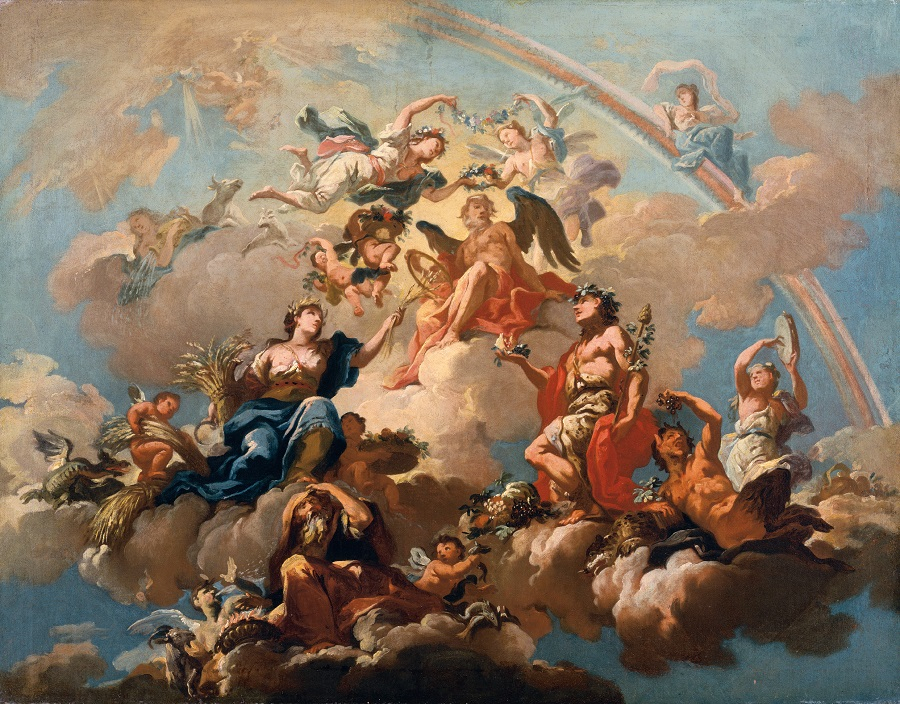
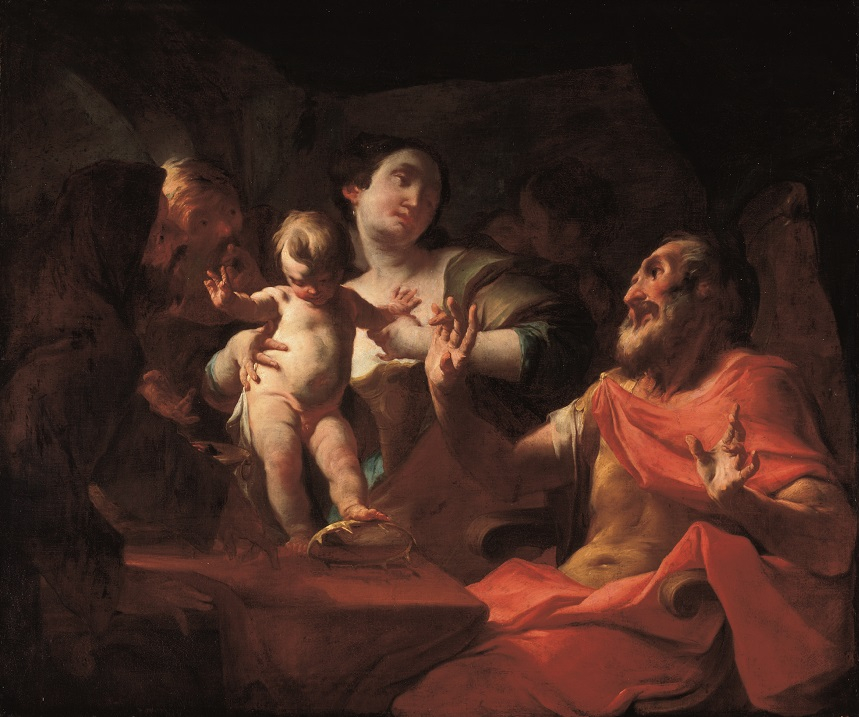
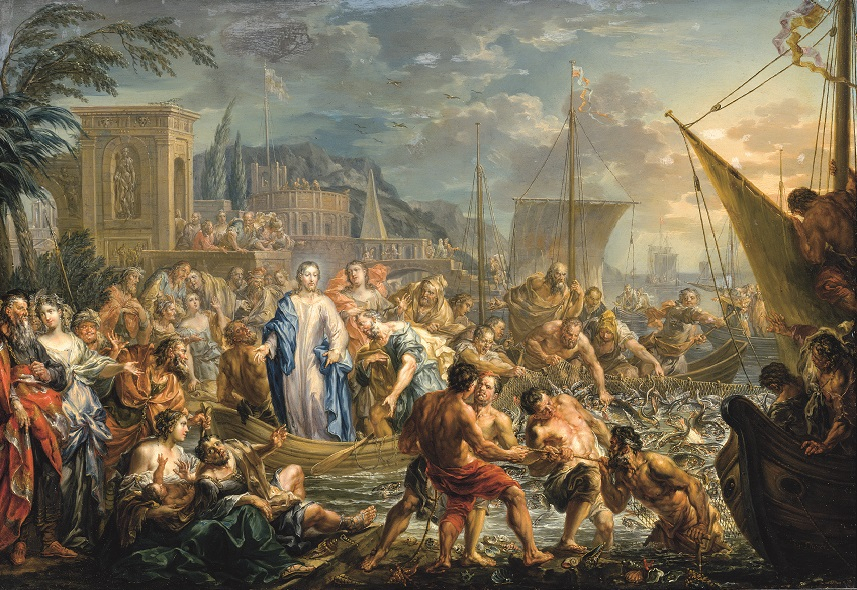
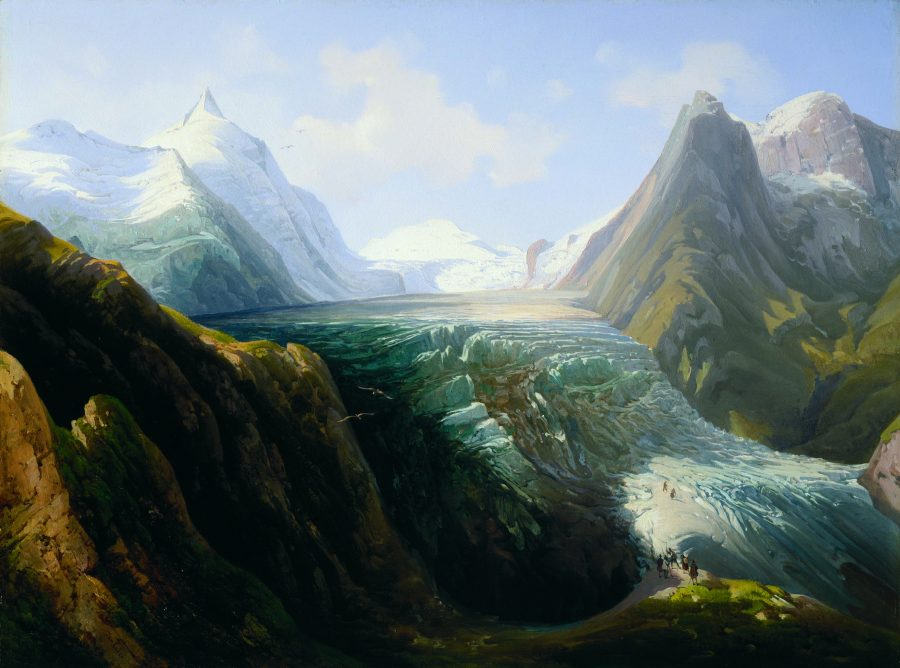
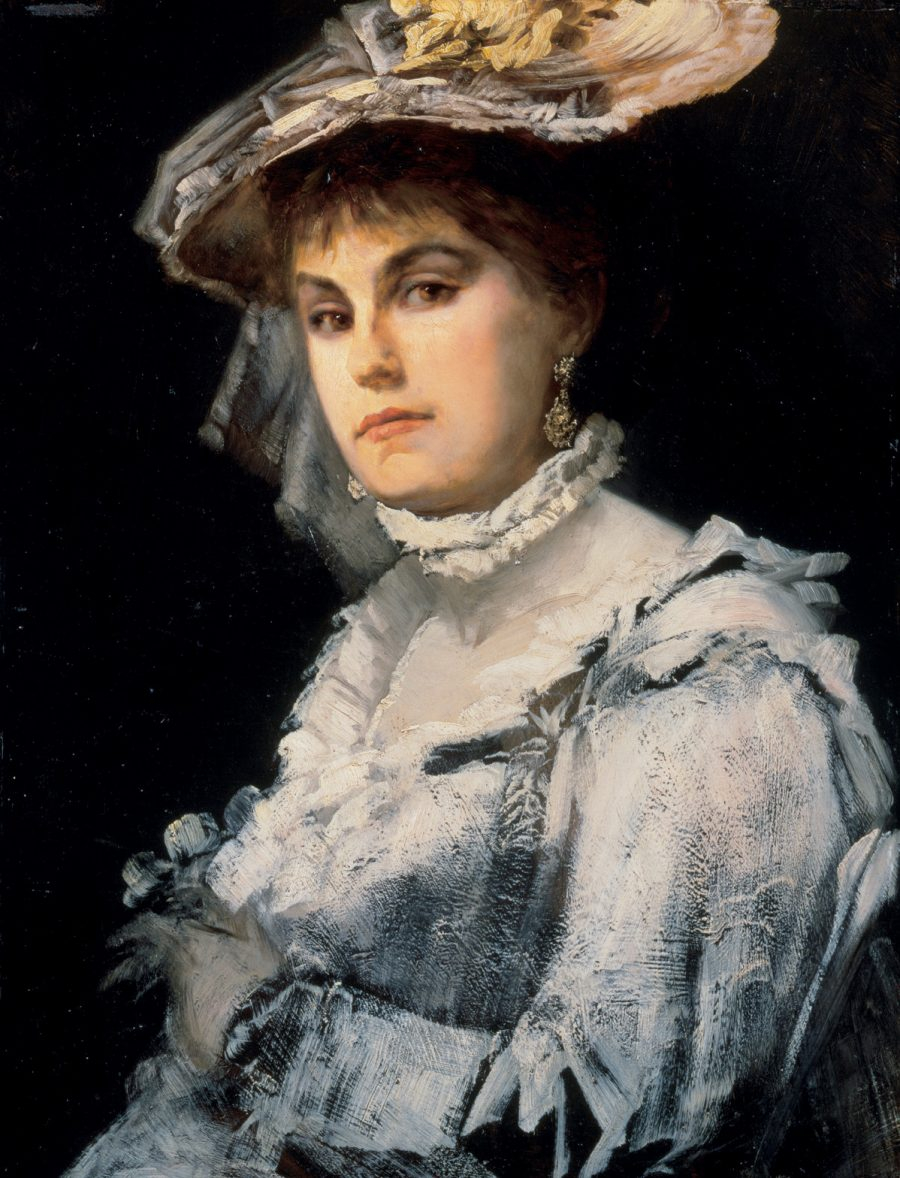
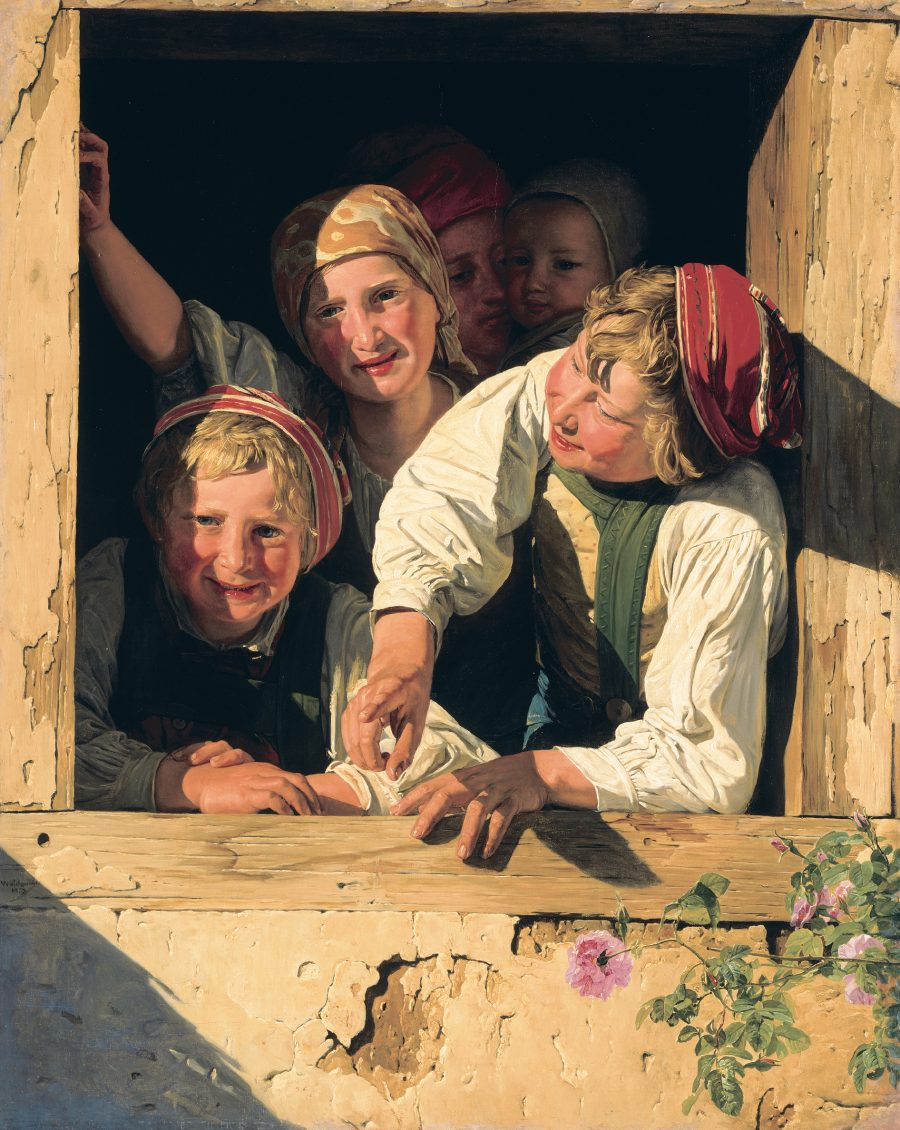
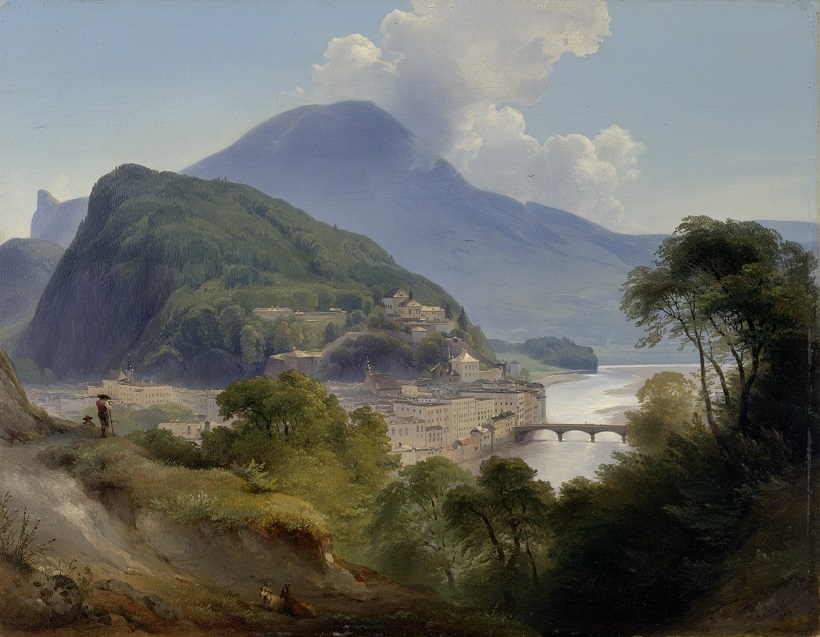
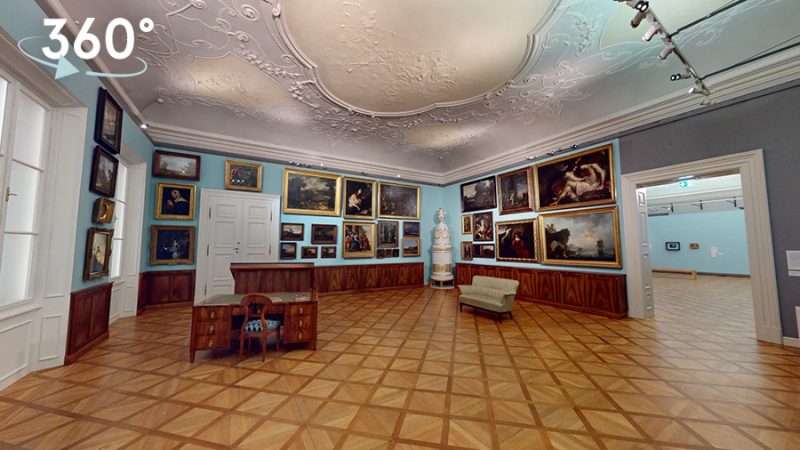
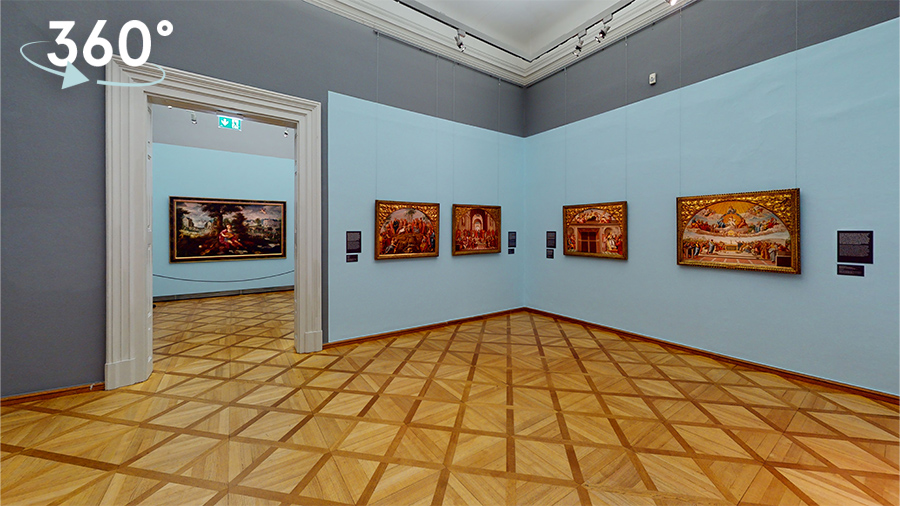
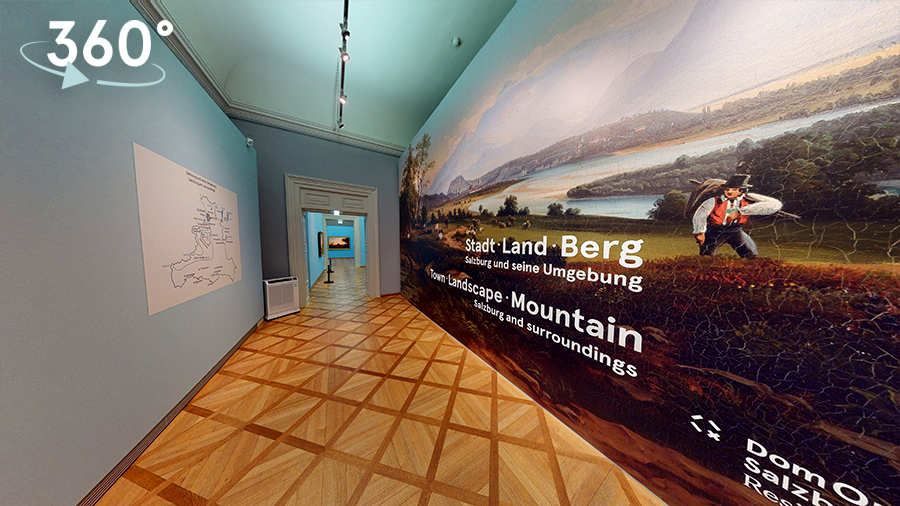
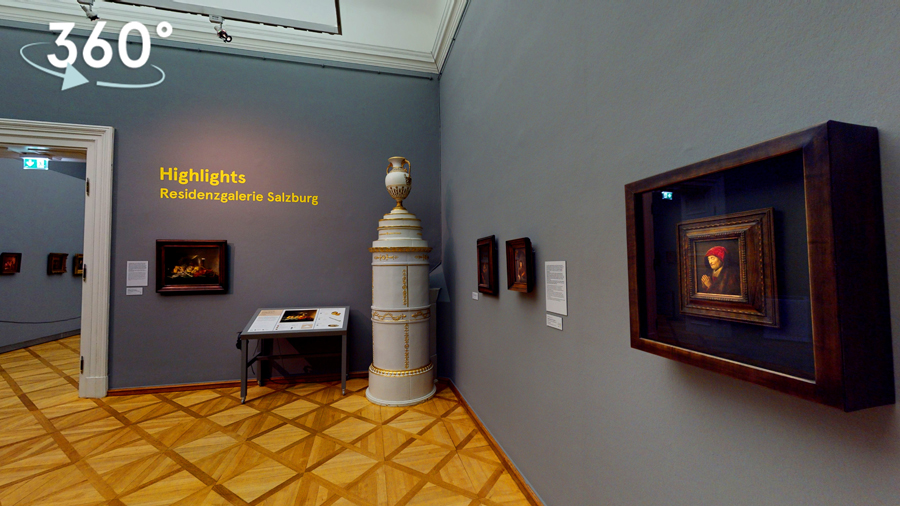
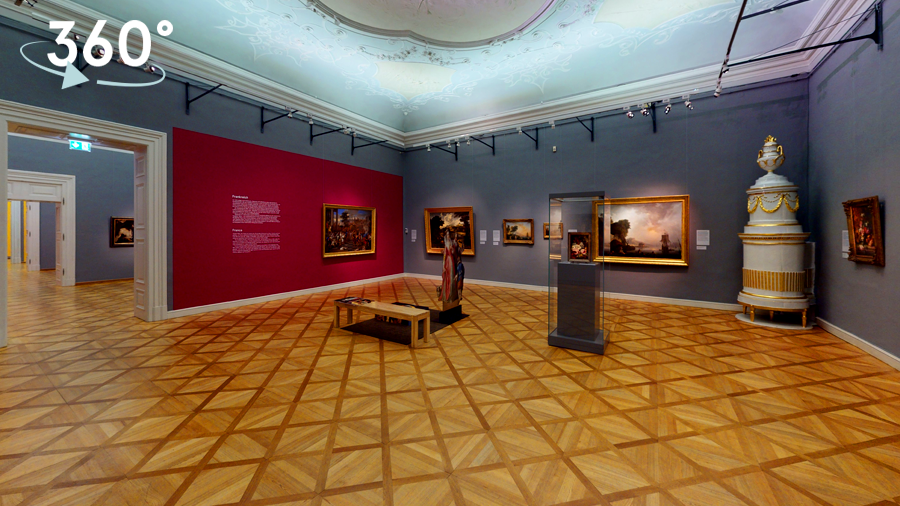
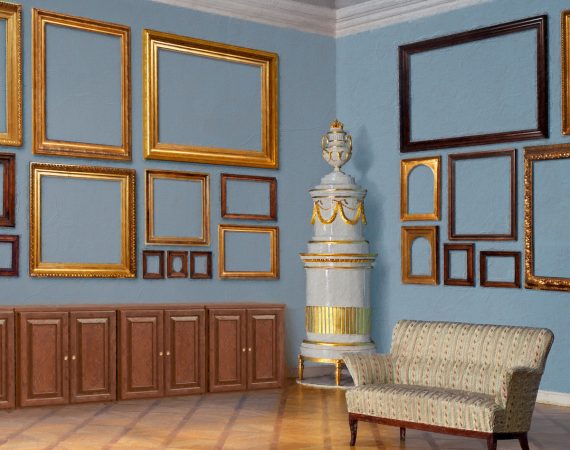
Die Gemälde werden in 11 Sälen der ehemals fürsterzbischöflichen Residenz präsentiert.
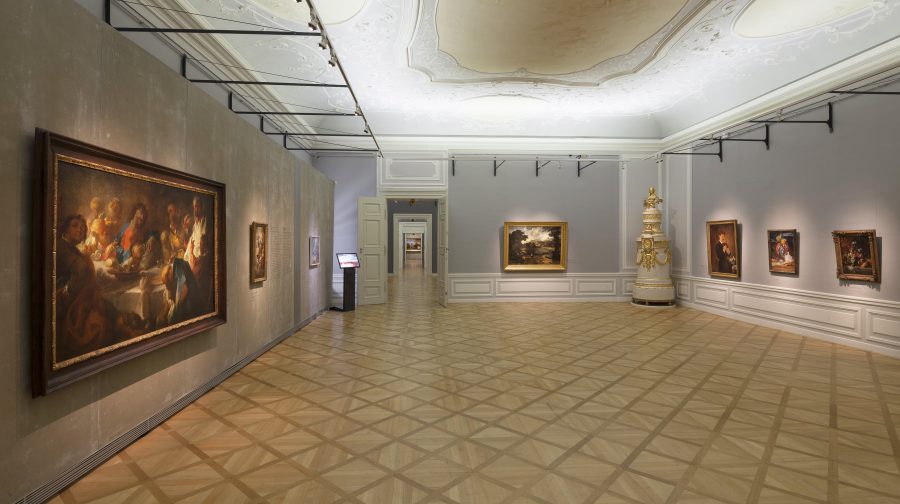
Residenzgalerie Salzburg © RGS/Eckschlager
Die Gründung der Residenzgalerie Salzburg erfolgte 1923. Einerseits sollte das Museum Ersatz für die im frühen 19. Jahrhundert verloren gegangenen erzbischöflichen Kunstsammlungen bieten, andererseits den Fremdenverkehr in Stadt und Land Salzburg fördern. 1938 wurde die Galerie aufgrund der politischen Ereignisse geschlossen.
Die Wiedereröffnung fand am 3. August 1952 statt. Der Sammlungsschwerpunkt lag auf dem Gebiet der Malerei des 16. – 20. Jahrhunderts. Nachdem das Land Salzburg 1980 für die Kunst des 20. Jahrhunderts ein eigenes Haus, das Rupertinum, eingerichtet hat, übergab die Residenzgalerie Salzburg diesem Museum sämtliche Bestände des 20. Jahrhunderts.
Zu den bedeutendsten Gemälden der Residenzgalerie Salzburg zählen Werke aus der ehemaligen Wiener Adelssammlung Czernin, die in den Jahren 1956 – 1994 erworben wurden. Die Sammlung Czernin in Wien ging auf die Sammlungstätigkeit von Johann Rudolph Graf Czernin zwischen 1800 und 1840 zurück.
Das Museum befindet sich im Osttrakt der Residenz. Die Bausubstanz geht in die Zeit um 1600 zurück, die Stuckdecken in den nördlichen Galerieräumen wurden von Erzbischof Franz Anton Fürst Harrach, der diese Räume als Audienz- und Wohnzimmer nutzte, in Auftrag gegeben. Ende des 18. Jahrhunderts wurde das Stockwerk unter Erzbischof Hieronymus Graf Colloredo erstmals zur Aufstellung der fürsterzbischöflichen Gemäldesammlung genutzt.
Zum Reinhören (Audioguide)
„Die Sammlung europäischer Meisterwerke“
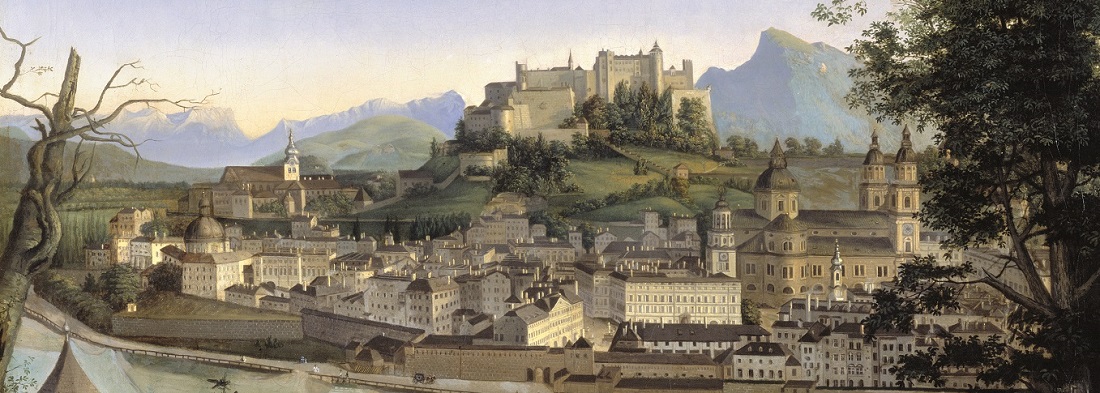
Franz Xaver Mandl, Blick auf Salzburg, Öl/Leinwand, 68 x 92,5 cm, Inv. Nr. 220 © RGS/Ghezzi
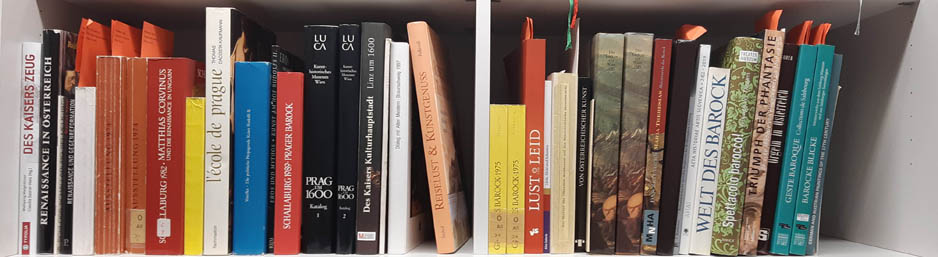
Lernen Sie unsere Bibliothek kennen. Wir freuen uns auf Ihren digitalen oder physischen Besuch.
Die Bibliothek wurde gezielt zu unseren Sammlungsbeständen mit dem Schwerpunkt europäischer Malerei des 16. – 19. Jahrhunderts aufgebaut.
Wir sind eine Präsenzbibliothek.
Eine Entlehnung ist nicht möglich. Um uns vor Ort zu besuchen, ist eine Terminvereinbarung notwendig:
Tel: +43 662 8042 2109
E-Mai: office@domquartier.at
Dr. Thomas Habersatter
DomQuartier Salzburg GmbH
Mozartplatz 10, Postfach 527
5010 Salzburg
Online Suche
Sie können mit einem Schlagwort Ihre Suche beginnen. Das Ergebnis führt Sie auf die Seite „Bibliotheken im Salzburger Landesarchiv“ und trägt neben dem Namen „Bibliothek der Residenzgalerie Salzburg“ die Bezeichnung „Amtsbibliothek 551“
Konservierung
Eine Restaurierung des Gemäldes Kinder im Fenster von F. G. Waldmüller wurde lange angestrebt, da das Bild ästhetische Mängel aufwies und darüber hinaus substanzerhaltende Maßnahmen erforderlich waren. Anfang des Jahres 2023 konnte die Restaurierung umgesetzt werden.
Das Gemälde sollte in den der künstlerischen Intention entsprechenden Zustand zurückgeführt werden. Es wurde angestrebt, verdeckte kompositorische Details, die Raumwirkung und die Feinheiten der Malerei wieder sichtbar zu machen. Außerdem war geplant, den Riss fachgerecht zu verschließen, den Bereich zu stabilisieren und Fehlstellen optisch in das Bild zu integrieren.
Durch die Restaurierung war es möglich, intakte Bereiche der Malschicht freizulegen und die Lesbarkeit des Gemäldes zu verbessern. Nach der Abnahme des vergilbten Firnisses kommen die Farben der Malerei wieder zur Geltung. Der große Riss wurde optisch ins Bild integriert. Das Gemälde befindet sich nun in einem stabilen und ästhetisch ansprechenden Erhaltungszustand.
Zum Video über die Restaurierung
2023 Mag. Dr. Thomas Habersatter, Mag. Astrid Ducke, Residenzgalerie Salzburg | DomQuartier Salzburg
Mag. Gerhard Walde, Mag. Simone Wernitznig, Mag. Elisabeth Reith, Atelier Walde, Wien
Ein Dank für die Förderung der Konservierung und Restaurierung des Gemäldes Ferdinand Georg Waldmüller, Kinder im Fenster 1853, Residenzgalerie Salzburg, Inv.-Nr. 335, geht an Bundeskanzleramt Österreich

Förderung des Bundeskanzleramtes Österreich (Abt. VI/4 Kulturförderung)
2015 – 2019 Dr. Erika Oehring
2020 – 2021 Mag. Astrid Ducke
Mag. Gerhard Walde
Konservierung und Restaurierung historischer & zeitgenössischer Kunst, Wien
Die Residenzgalerie Salzburg besitzt 81 Holztafel-Bilder (16. -19. Jahrhundert). Diese Gemälde reagieren in den historischen Räumlichkeiten auf Klimaschwankungen äußerst sensibel, die unter anderem durch zunehmenden Besucherstrom verstärkt werden. Ziel des Restaurierungsprojektes ist es, durch eine speziell neu entwickelte, auf die jeweilige Holztafel abgestimmte Montagetechnik mit flexibel definiertem Druck, dem hölzernen Bildträger eine kontrollierte Bewegung (Ausdehnung / Schrumpfung) zu ermöglichen.
Förderung des Bundeskanzleramtes Österreich (Abt. VI/4 Kulturförderung)
Das Land Salzburg überprüft seit 1987 die Provenienz aller in seinen Museen befindlichen Kunstobjekte.
Zu den Beständen der Residenzgalerie Salzburg, die im Zeitraum 1923 – 1938 als Leihgaben präsentiert bzw. für das Haus erworben wurden, erschien 1998 eine Publikation.
Literatur: Gerhard Plasser, residenzfähig. Sammlungsgeschichte der Residenzgalerie Salzburg 1923 – 1938, Salzburg 1998
Das Salzburger Landesarchiv hat im Auftrag des Landes Salzburg das Inventarbuch der vom Kunsthändler Friedrich Welz zwischen 1942 und 1944 für die sogenannte NS-„Landesgalerie Salzburg“ erworbenen Kunstwerke bearbeitet und im Jahr 2000 veröffentlicht.
Literatur: Fritz Koller, Das Inventarbuch der Landesgalerie Salzburg. 1942 – 1944. Salzburg 2000
Parallel zur Forschungstätigkeit des Salzburger Landesarchivs hinsichtlich des bereits erwähnten „Landesgalerie“-Inventarbuches, das die Erwerbungen des Kunsthändlers Friedrich Welz im Zeitraum 1942 – 1944 auflistet, hat die Residenzgalerie ab 1998 Provenienz-Recherchen zu jenem Teilbestand der Welz-Ankäufe, der nach dem 2. Weltkrieg nicht restituiert, sondern in den Museen des Landes Salzburg verblieben ist, durchgeführt und 2007 vorgelegt. Es handelt sich vorwiegend um Werke des 19. und 20. Jahrhunderts (bis 1945).
Literatur: Roswitha Juffinger, Gerhard Plasser, Salzburger Landessammlungen 1939 – 1955. Salzburg 2007
Nach der Gründung des Rupertinums / heute Museum der Moderne Salzburg wurden die aus den Kriegsankäufen von Friedrich Welz vorhandenen Werke der 1. Hälfte des 20. Jahrhunderts dem Museum der Moderne Salzburg übergeben. Zu den Restitutionen des Museums der Moderne Salzburg siehe die Website des Museums.
Das Forschungsprojekt „Tonale Malerei“ umfasst Gemälde der Leidener und Haarlemer Schule aus der Niederländer Sammlung der Residenzgalerie, Land Salzburg.
Das Projekt dient der Vorbereitung einer online-Ausgabe mit Auswertung der historischen Photographien und einer Studie zum Salzburger Kunsthandel um 1920 inklusive der Verkaufsmodalitäten des Ludwig-Viktor Nachlasses durch das Dorotheum, Wien, und der American Art Association, New York, sowie der Vorbereitung eines Konzeptes zur Realisierung eines Ausstellungsprojektes unter Einbindung jener Nachlass-Bestände, die sich im Eigentum des Landes bzw. des Salzburg Museums befinden.
Dr. Roswitha Juffinger
Kunsthistorikerin, Wien
Projekt des Landes Salzburg / DQ Salzburger Landessammlungen / Salzburger Landesarchiv
E-Mail: roswitha@juffinger.cc
Sonderausstellungen der Residenzgalerie im DomQuartier Salzburg seit 2015
Sonderausstellungen der Residenzgalerie Salzburg bis 2014
Ausstellungen ohne Katalog
Aktuelle Publikationen können im Online Shop oder im Museumshop in der Residenzgalerie, DomQuartier Salzburg erworben werden.
Publikationen von 1951 bis 2020
Weiterführende Informationen, Programme sowie Kunst und Kultur –Workshops unter: Vermittlungsprogramm im DomQuartier.
Seit 2014 ist die Residenzgalerie Salzburg Teil der Museen des DomQuartier Salzburg. Im Rahmen des DomQuartier Rundgangs können die aktuellen Sonderausstellungen in der Residenzgalerie besichtigt werden.